Lesson Overview
Students investigate color relationships using the color wheel, mix primary colors to discover secondary and tertiary colors, and create an original artwork that demonstrates color theory knowledge — aligned to NCAS VA:Cr1.1, VA:Cr2.1, and VA:Re7.1.
Learning Objectives
Students will be able to:
- Identify and name primary, secondary, and tertiary colors on the color wheel
- Mix primary colors to create secondary colors and predict the result
- Apply knowledge of warm/cool colors and complementary colors in original artwork
- Analyze how color choices communicate mood and meaning in artwork
Lesson Phases (5E Model)
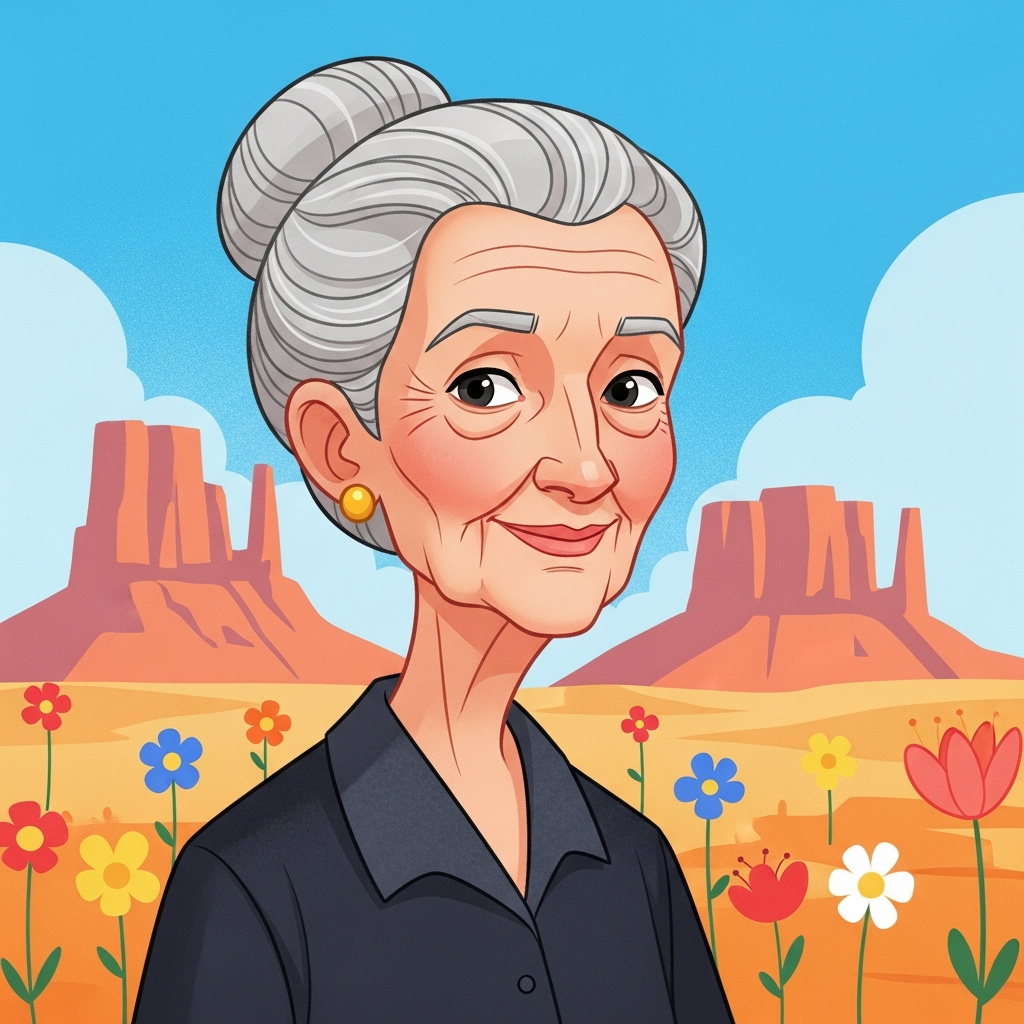
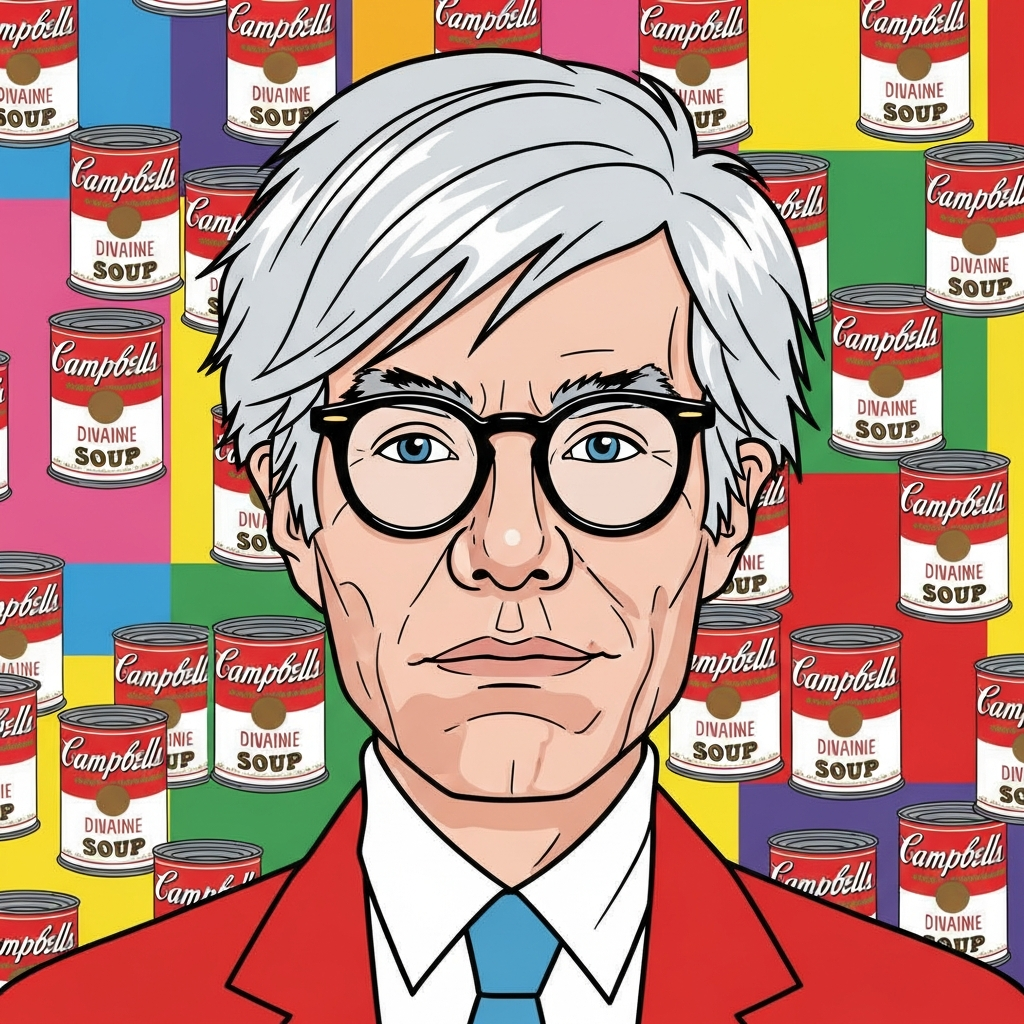
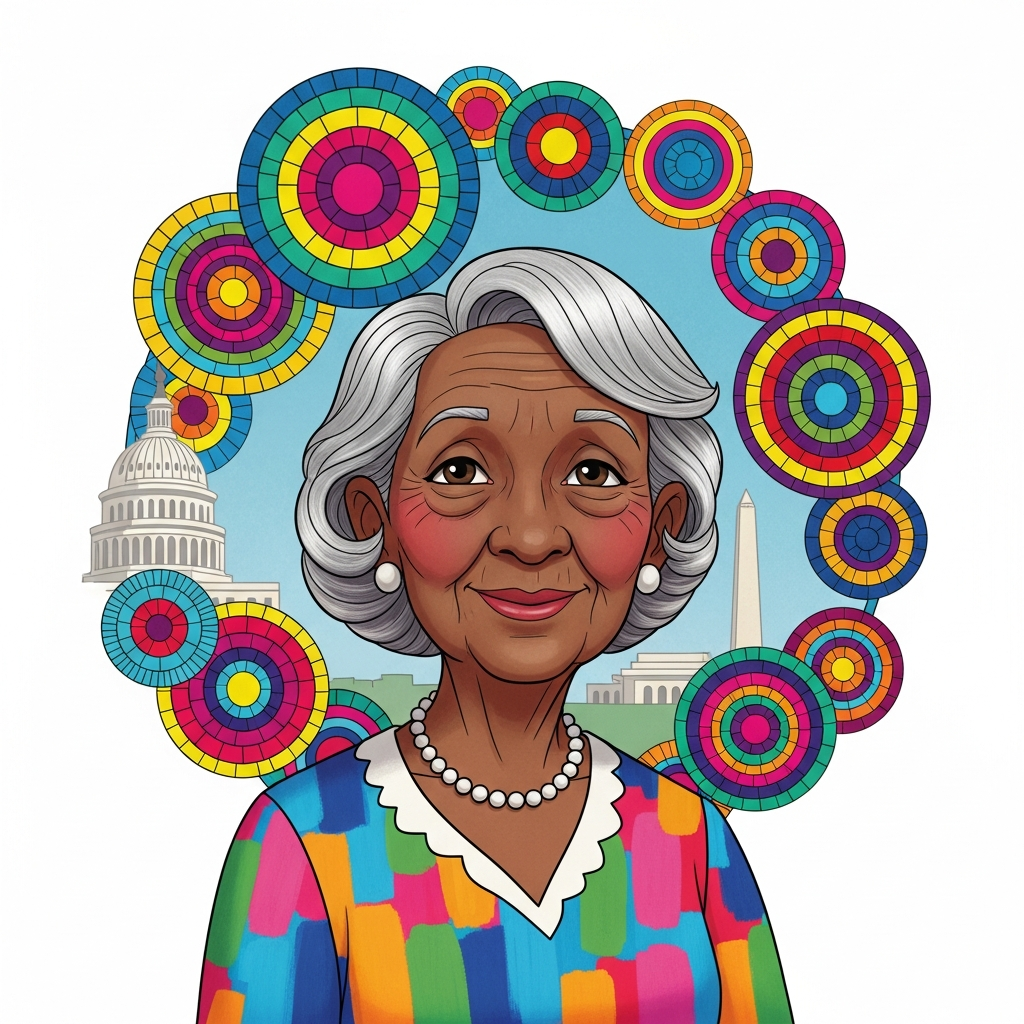
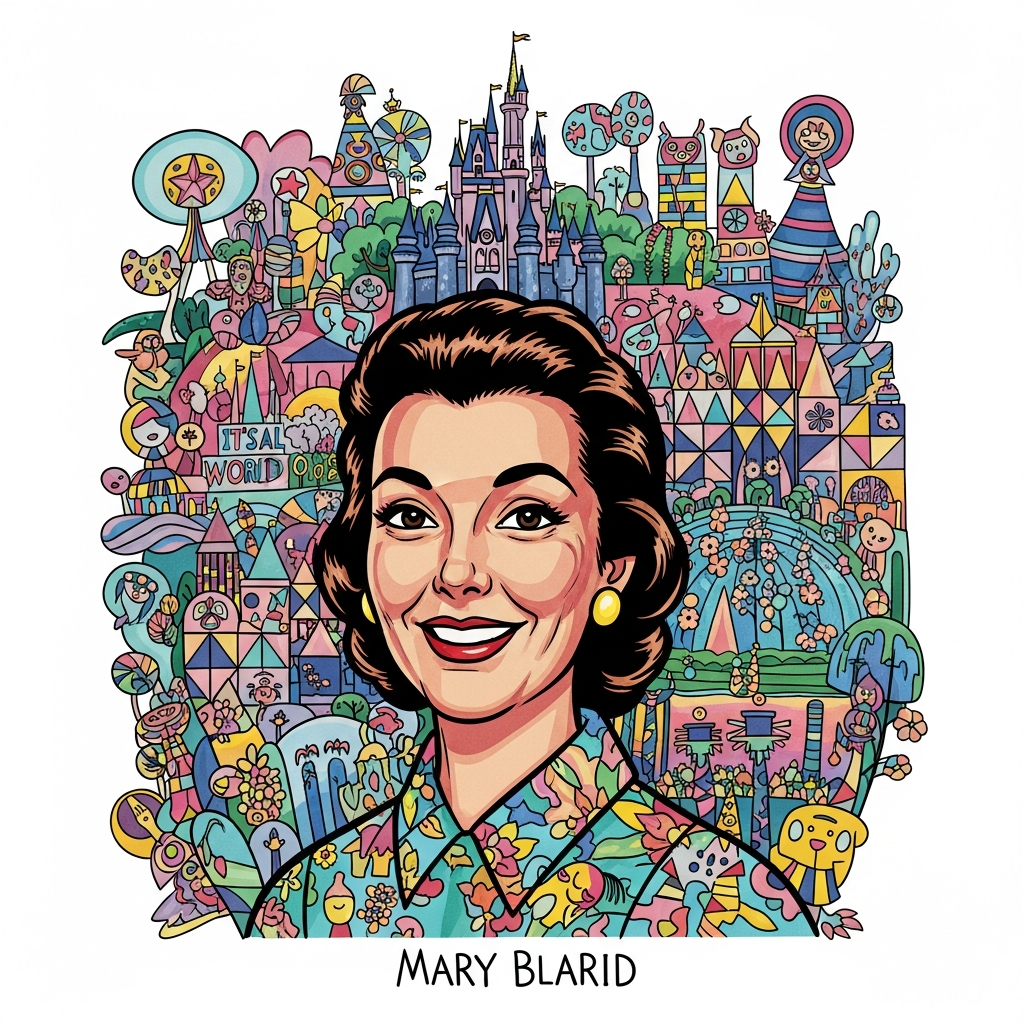
- 1Show 4 artworks side by side: one warm palette (reds/oranges), one cool palette (blues/greens), one complementary, one monochromatic
- 2Quick write: 'Look at each painting for 10 seconds. Write one word that describes how each one makes you FEEL.'
- 3Class share — notice how warm colors got energetic/exciting responses, cool colors got peaceful/sad responses
- 4Driving question: 'How did the artists use color to make you feel something?'
Assessment Strategies
Color Wheel
Assessed for accurate mixing results and correct labeling of color relationships
Original Artwork
Holistic rubric: intentional color strategy, technical execution, and ability to explain choices
Art Journal Reflection
Look for connection between color choice and intended emotional impact
Extension Activities
- →Explore how different cultures use color symbolically — compare meanings across traditions
- →Photography challenge: take 10 photos that are all 'warm' or all 'cool'
- →Use the Art Academy digital studio to experiment with color palettes before painting
- →Research an artist known for intentional color use (Matisse, Monet, Frida Kahlo)
At a Glance
Grade BandGrades 3-5
Duration55 min
Group SizeIndividual
DifficultyBeginner
SubjectVisual Arts
Lesson Model5E Instructional Model
Materials
- Tempera paint (red, yellow, blue, white, black)1 set per student
- Paintbrushes (various sizes)3 per student
- Palette or paper plate for mixing1 per student
- Watercolor paper or thick white paper2 sheets per student
- Color wheel diagram (reference sheet)1 per student
- Water cup and paper towels1 per student
- Art journal or reflection sheet1 per student
Key Vocabulary
- Primary colors
- Red, yellow, and blue — colors that cannot be made by mixing other colors
- Secondary colors
- Orange, green, and violet — made by mixing two primary colors
- Complementary colors
- Colors that are opposite each other on the color wheel (e.g., red and green)
- Warm colors
- Reds, oranges, and yellows — colors that suggest warmth, energy, or excitement
- Cool colors
- Blues, greens, and purples — colors that suggest calm, water, or quiet
Digital Tools
- →Art Academy — Color Theory Studio
- →Art Academy: Elements of Art Lessons